
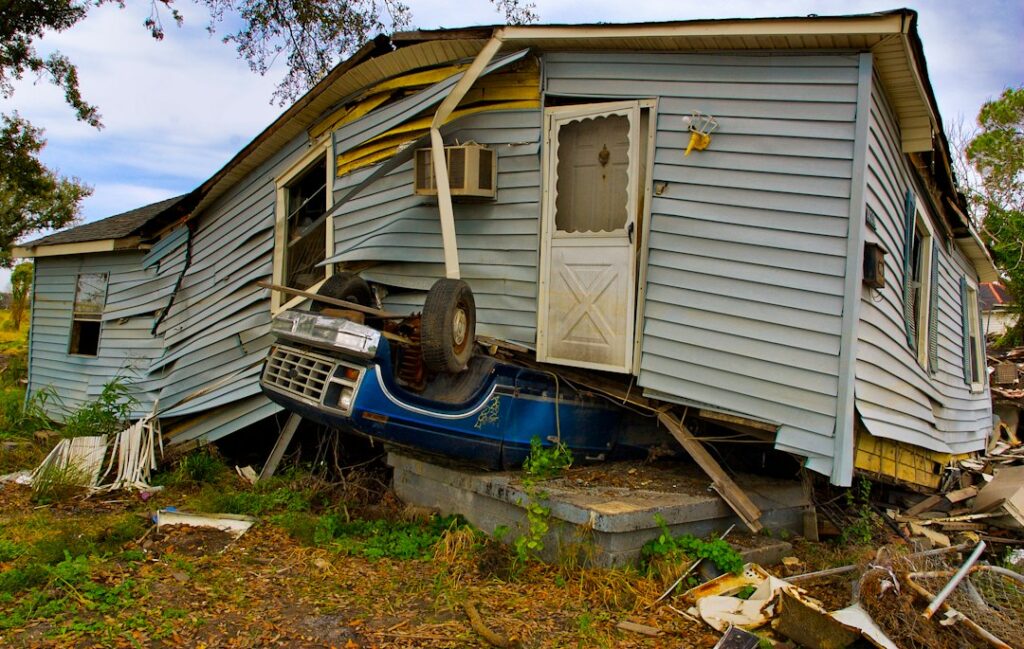
A standard homeowners insurance policy covers many sudden events, but it does not cover every natural disaster. The most significant exclusions usually involve flooding, earthquakes, earth movement, gradual damage, and certain water-related losses.
For households in Spring City, TN, understanding these exclusions matters because heavy rainfall, overflowing waterways, drainage problems, severe thunderstorms, tornadoes, and occasional earth movement can create different types of damage that are handled under different policies.
Does homeowners insurance cover flooding?
Usually, no. Flood damage is one of the most common and costly exclusions in a standard homeowners or renters policy.
Flood insurance is generally needed for damage caused by water that rises from outside the home. Examples include:
- Overflowing rivers, streams, creeks, or lakes
- Flash flooding after intense rainfall
- Stormwater moving across the ground
- Water entering through low-lying areas or drainage paths
- Saturated soil pushing water into a structure
Flood insurance may cover the building, personal belongings, or both, depending on the policy. Renters may purchase contents coverage even when they do not own the building.
A home does not have to be located in a high-risk flood zone to experience flooding. Heavy rain, poor drainage, saturated ground, and overwhelmed stormwater systems can affect properties outside mapped flood areas. A lender may not require flood insurance, but that does not mean flooding is covered by the homeowners policy.
Are earthquakes covered by a standard policy?
Most standard homeowners and renters policies exclude earthquake damage. Earthquake insurance may be available as a separate policy or an endorsement, but it has its own deductible, limits, and exclusions.
Earthquake coverage may address structural damage, personal property, debris removal, and additional living expenses, depending on the contract. It usually does not cover:
- Flooding caused by an earthquake
- Damage to vehicles
- Pre-existing damage
- Certain types of masonry veneer
- Damage to land itself, such as some erosion-related failures or sinkholes
Fire caused by an earthquake may be treated differently because fire is often covered under a standard homeowners policy. The cause of loss and the wording of the policy matter, so earthquake-related damage should not be evaluated by the event name alone.
What other types of earth movement may be excluded?
Many homeowners policies exclude earth movement beyond earthquakes. This can include landslides, mudslides, settling, shrinking, expanding, or shifting soil.
These exclusions can be complicated because similar-looking damage may have different causes. For example, a retaining wall failure could involve soil movement, poor construction, drainage, erosion, or a covered event. The policy language and the facts surrounding the loss will determine how the claim is handled.
Sinkhole coverage is also not automatically included in every policy. In some cases, it may be available through an endorsement or separate coverage. A sinkhole is not the same as ordinary settling, and coverage requirements can be specific.
Are tornadoes, windstorms, and hail excluded?
Tornadoes, windstorms, and hail are commonly covered under standard homeowners policies, subject to deductibles, limits, and policy conditions. This can include damage to roofs, siding, windows, trees, and other structures when the damage results from a covered wind or hail event.
However, coverage may not apply in every situation. For example:
- A roof may be excluded or limited because of age, deterioration, or repeated damage.
- Interior water damage may be denied if rain entered through an opening that was not caused by a covered event.
- A fallen tree may be covered when it damages an insured structure, but tree removal alone may not be covered.
- Fences, sheds, detached garages, and outdoor property may have separate limits.
- Wind-driven rain may be treated differently from floodwater entering from the ground.
A tornado can produce several types of damage at once. Wind damage may be covered under homeowners insurance, while floodwater after the storm may require flood insurance.
What about severe thunderstorms and heavy rain?
Heavy rain itself does not always produce a covered loss. Insurance usually distinguishes between water entering through a damaged roof and water rising from the ground.
For example, if hail damages a roof and rain enters through that opening, the resulting interior damage may be covered, assuming the policy applies. If rainwater flows across the ground and enters through a basement or foundation opening, it may be considered flood damage and excluded.
Water backup from a sewer or drain is also commonly excluded unless specific backup coverage has been added. This coverage may have its own limit and deductible.
Does homeowners insurance cover wildfires?
Wildfire damage is often covered under standard homeowners insurance, including damage to the dwelling and personal property from fire and smoke. Additional living expense coverage may also apply if the home becomes uninhabitable because of a covered fire.
Coverage can still be affected by policy limits, vacant-home rules, debris-removal provisions, and exclusions for certain property. Personal belongings may also be subject to sublimits, especially for jewelry, cash, collectibles, firearms, and business equipment.

In addition, damage caused by smoke, ash, or fire suppression activities may require careful documentation. Photographs, videos, receipts, and a home inventory can help establish what was damaged.
What natural-disaster losses are often confused with insurance exclusions?
Some losses occur during a disaster but are not classified as direct disaster damage. Common examples include:
- Food spoilage from a power outage
- Damage caused by long-term leaks or deferred maintenance
- Mold that develops gradually
- Sewer or drain backup without applicable coverage
- Tree removal when no insured structure was damaged
- Damage from termites, rodents, or other infestations
- Personal property that exceeds policy sublimits
- Water entering through an unrepaired roof or opening
- Damage to vehicles, which is generally handled under auto insurance
A power outage caused by a storm does not automatically mean every resulting loss is covered. Food spoilage coverage, if available, may depend on the policy and the cause of the outage.
How can residents check for disaster exclusions before a loss?
The declarations page shows major limits, deductibles, and endorsements, but the exclusions are usually found in the full policy wording. Important sections to review include:
- Exclusions
- Additional coverages
- Conditions
- Deductibles
- Special limits
- Other structures
- Loss of use or additional living expenses
- Water backup endorsements
- Flood or earthquake endorsements
Keep a current inventory of household belongings, including photographs, model numbers, purchase dates, and receipts when available. Store copies of the policy, inventory, and important financial records somewhere separate from the home or in secure digital storage.
The most useful question is not simply, “Does insurance cover this disaster?” It is, “What caused each part of the damage, and which policy is designed to respond?” A single storm may involve wind, hail, floodwater, sewer backup, power loss, and falling trees, with each category treated differently.
